 Turtle Back Zoo
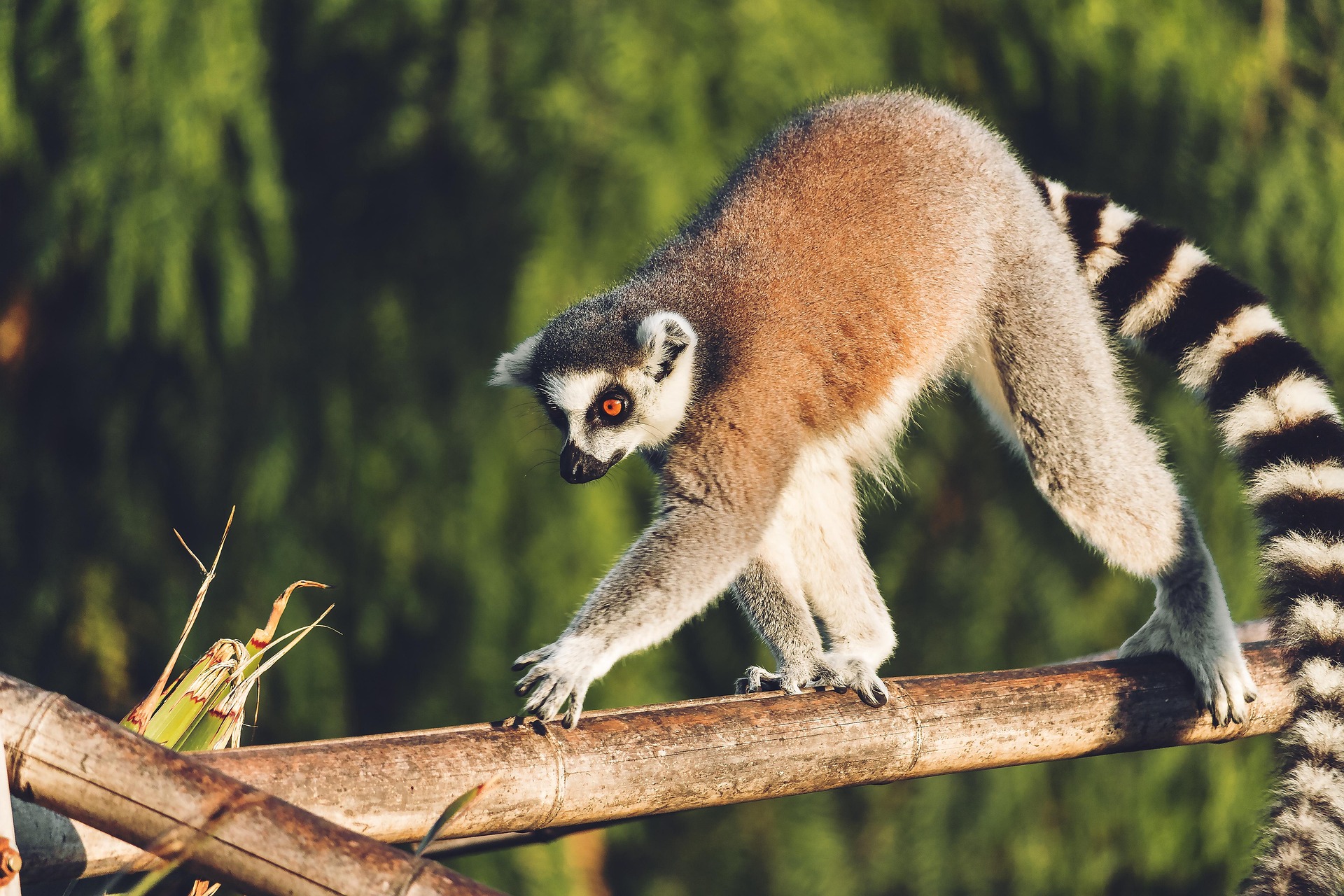 Located off the Southeastern coast of Africa in the Indian Ocean, the island of Madagascar is one of the most unique ecosystems on earth. It split from the African continent around 160 millions years ago, and over 80% of its wildlife is found nowhere else on earth. Unlike New Jersey’s four seasons, Madagascar has only a wet season and a dry season. About the size of Texas, the island is made up of thick tropical and temperate forests. Many of the animal species living in Madagascar have adapted to be arboreal, meaning that they live in the trees. Surrounding the island are some of the world’s largest coral reefs and extensive mangrove forests.
There are more than 11,000 plant species found exclusively on the island, including seven species of baobab trees, also known as upside down trees due to their unique appearance. Baobab trees are important for ecosystem services, helping to regulate soil conditions in the wet and dry seasons, aid in nutrient recycling, and slow erosion. As a succulent, the tree absorbs and stores water from the rainy season in its massive trunk, producing a nutrient-dense fruit in the dry season. These fruits are able to feed many animals in the dry season, including lemurs.
There are 21 million people living on the island of Madagascar; many of whom are farmers, fishermen, or contributors to the local tourism industry. Over 70% of people are below the poverty line and rely on the natural resources of the country to survive.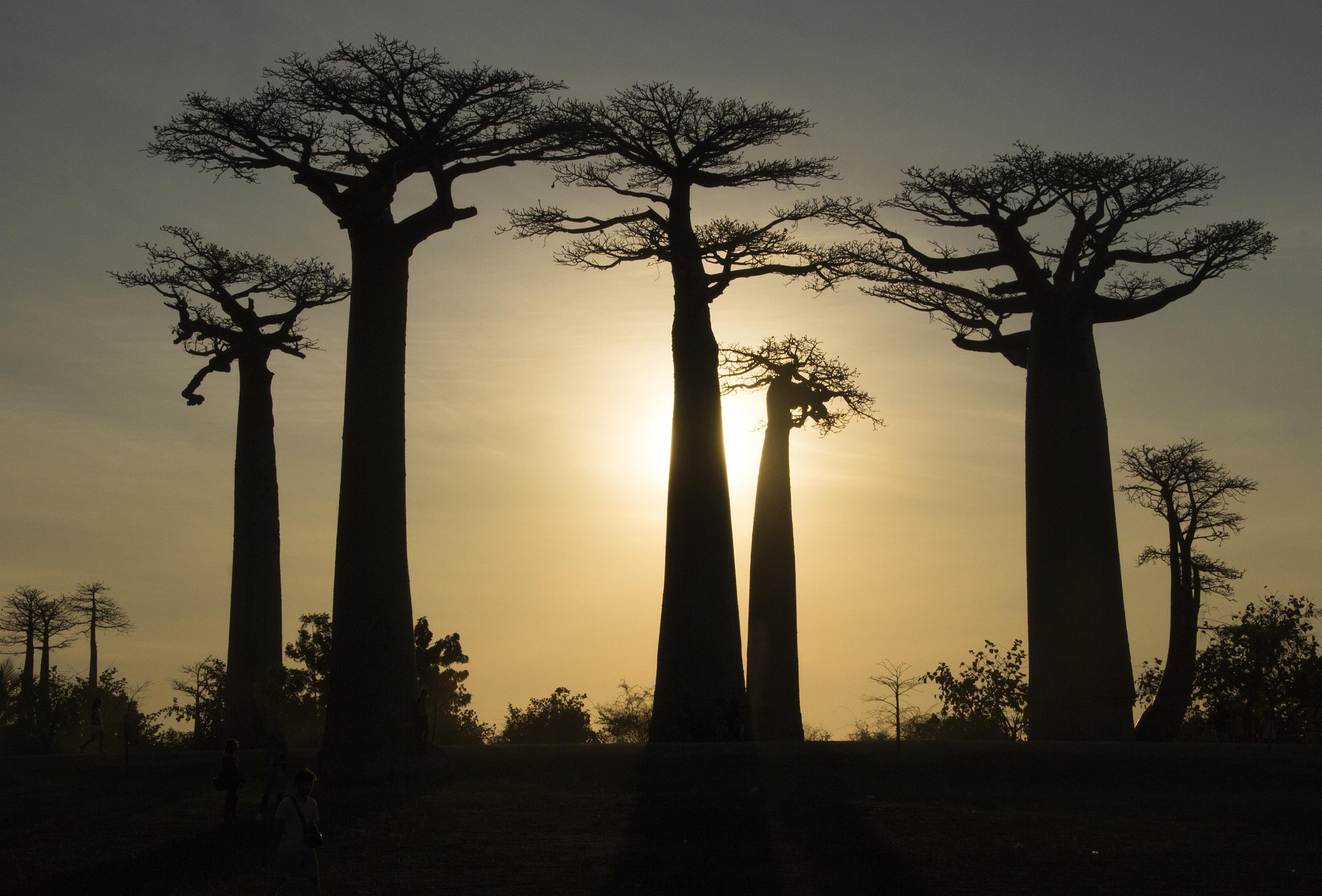
Madagascar is facing many threats, including climate change and deforestation. With rising temperatures, more and more severe droughts occur in Madagascar each year, destroying forests and farmland. Due to these increased pressures, farmers are forced to take more land for their fields, and to grow the tourism industry to supplement income. This in turn affects the coral reefs along the coast, with many of them unable to handle changing temperatures, harmful effects of non reef-safe sunscreen, and the increase in sediment flow from deforestation.
Many organizations operating within Madagascar are working diligently to help combat these issues. The Essex County Turtle Back Zoo has supported many of these organizations through our Turtle Back Biodiversity Fund, a grant program to help with conservation efforts in wild places. The Lemur Conservation Network, the Turtle Survival Alliance, and the Madagascar Biodiversity Center are a few of the organizations we have supported which are working to help combat the climate and environmental issues facing Madagascar.