 Turtle Back Zoo
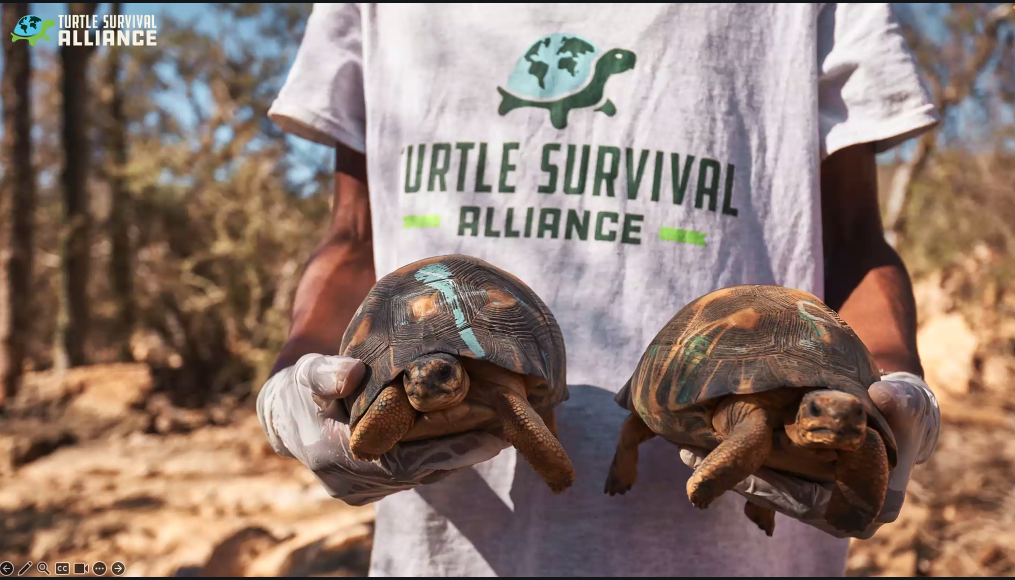 Radiated tortoises (Geochelone radiata) are a tortoise species living in the southern forests of Madagascar. They have a distinct look, featuring a dark shell or “carapace”, with sharp yellow lines on each plate or “scute”. They can live for up to 50 years and are herbivores, feeding primarily on the grasses which comprise 90% of their diet, but they also eat fruit and succulent plants. Their favorite food is the Opuntia cactus, commonly known as the prickly pear cactus.
The radiated tortoise is a critically endangered tortoise species; it is facing extinction, and without human intervention the species could be extinct in the wild within the next 20 years. The Turtle Survival Alliance is a leading organization in turtle conservation, and is the only organization working in southern Madagascar to prevent the extinction of the radiated tortoise. In 2016, they opened the Tortoise Conservation Center (TCC), where they rescue, rehabilitate, and release injured tortoises, and care for over 12,000 tortoises.
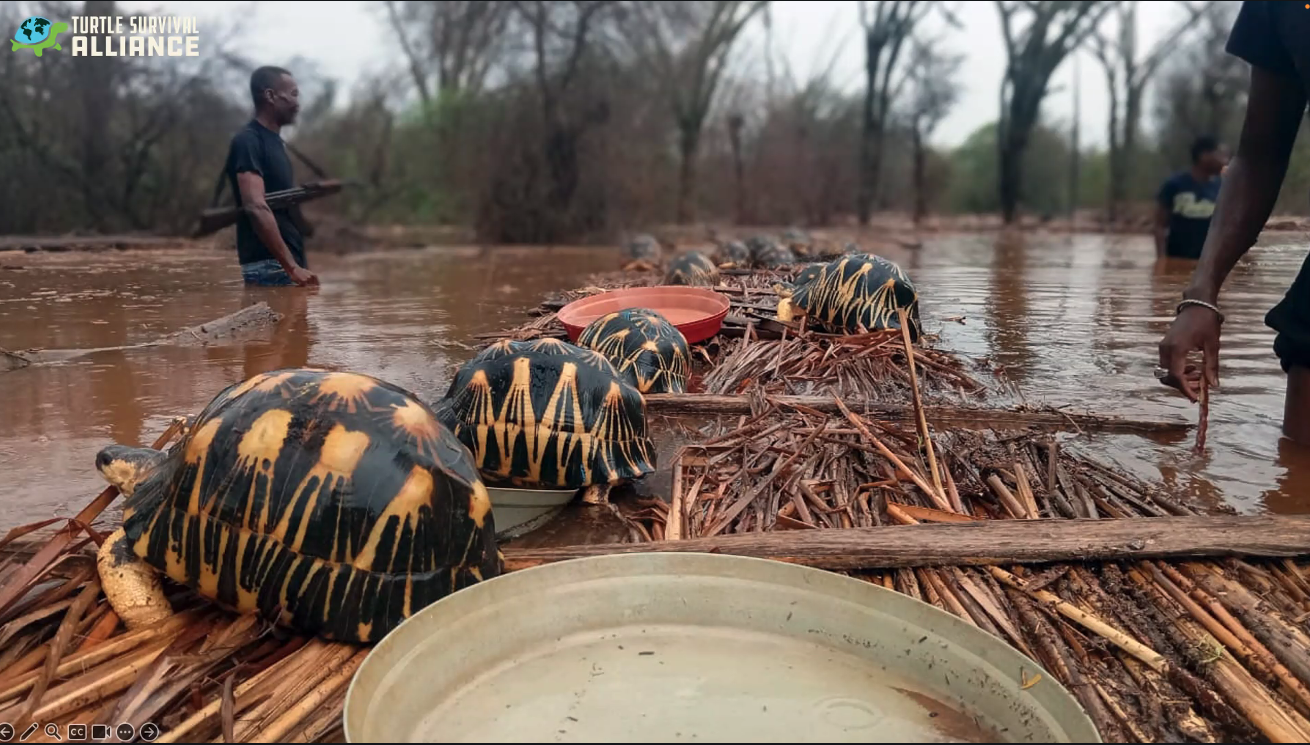 In January 2025, the TCC was flooded with chest-high water. Since the TCC is remote, in an area unreachable by car, all 12,000 tortoises had to be evacuated and moved to other locations. Without cars, rescuers had to utilize zebu, a type of cow, to carry supplies in and tortoises out (You can see zebu in the Essex Farm area here at Essex County Turtle Back Zoo).
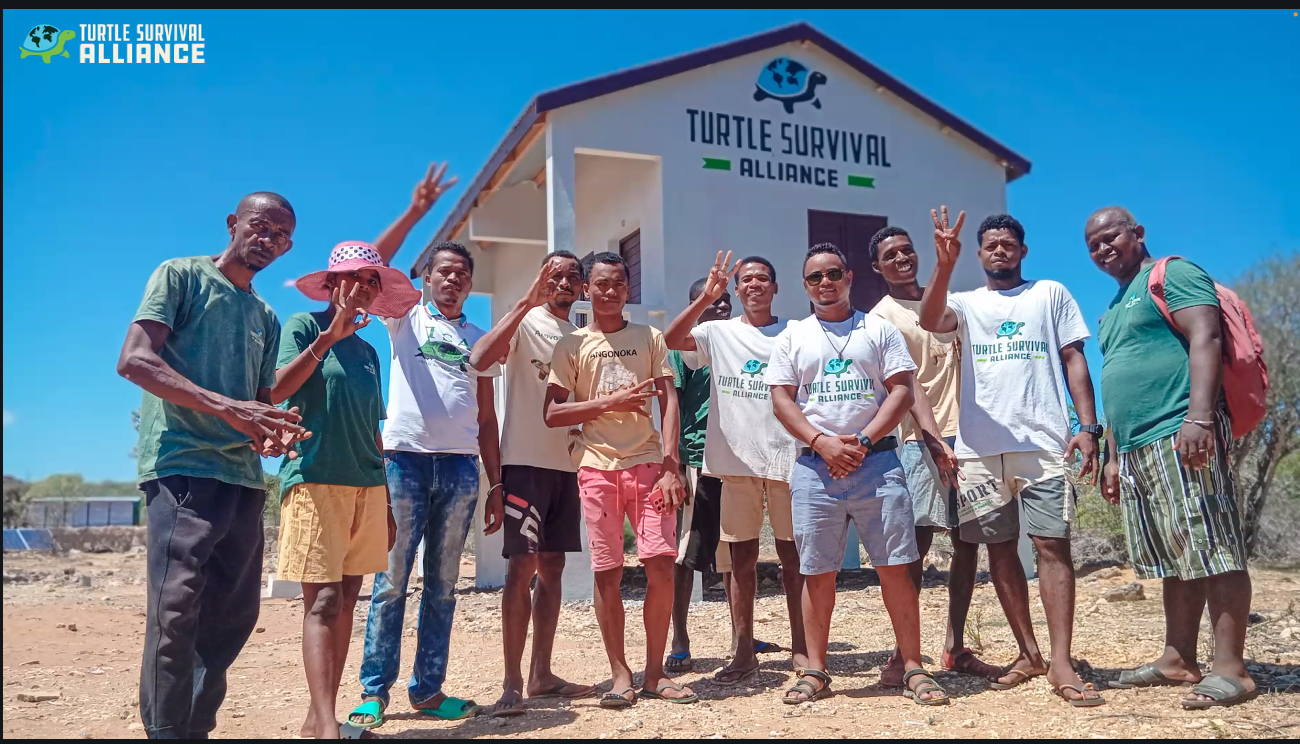 In the aftermath of the flood, the Turtle Back Biodiversity Fund supported the Turtle Survival Alliance in its recovery efforts. The Turtle Back Biodiversity Fund is the grant program operated by the Essex County Turtle Back Zoo and the Zoological Society of New Jersey, through which we support conservation work being done in the wild. Through this fund, the Zoo is able to aid in important conservation efforts around the world and is able to provide much needed support to conservation organizations doing amazing things. Construction is still ongoing to rebuild the center, and in January 2026, the Zoo supported the Turtle Survival Alliance again with funds to build much needed on-site staff housing.