 Turtle Back Zoo
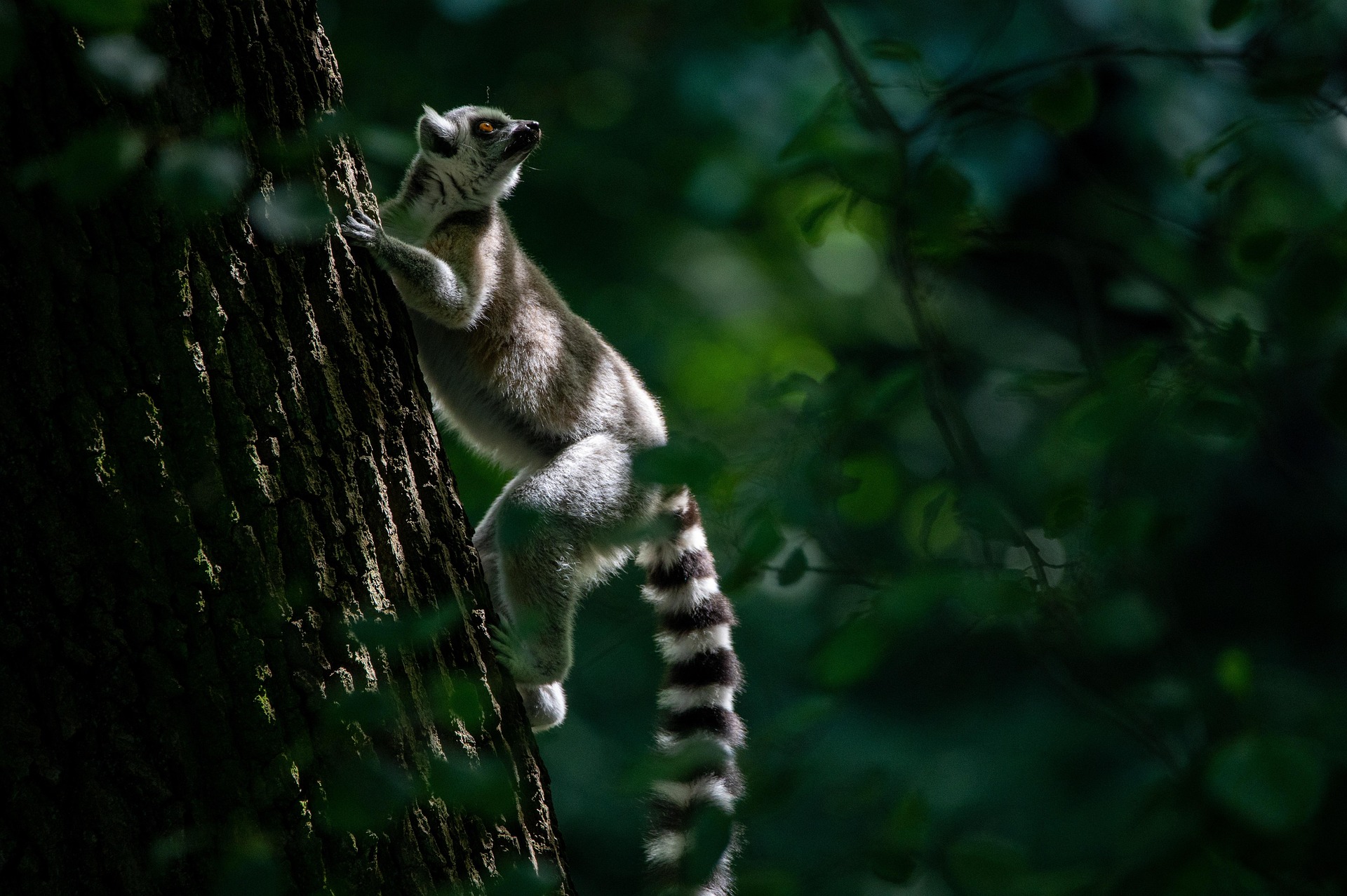 As a member of the Association of Zoos and Aquariums (AZA), we are part of their work to make sure zoo populations are healthy and balanced. Essex County Turtle Back Zoo participates
in Species Survival Plans (SSP) to manage and match zoo animals based off of genetic health and diversity, and the lemurs at Turtle Back Zoo are part of the lemur SSP. These plans monitor zoo populations based on different genetic backgrounds, as well as factors such as age and gender. Genetic diversity is important for every species – it contributes to a healthy population, and helps to prevent environmental pressures such as disease from destroying an entire group. Zoo staff keep detailed records on the family history and health of each individual in the population. To better match a species, we must also understand their family lives, courtship rituals, and behaviors. This data is shared to a document called a Studbook, which helps accredited AZA zoos analyze the genetics of the population as a whole. As a result, participating zoos are able to make better decisions about which animals should be paired in order to keep a species healthy, genetically diverse, and successful in the long term. The ultimate goal for healthy species populations in captivity is for those populations to be available to be released back into the wild, should the need arise due to the extinction of that species in the wild. About 240 zoos and aquariums within the AZA community match mates both locally and globally, in order to manage sustainable populations and support conservation.
 Lemur Families
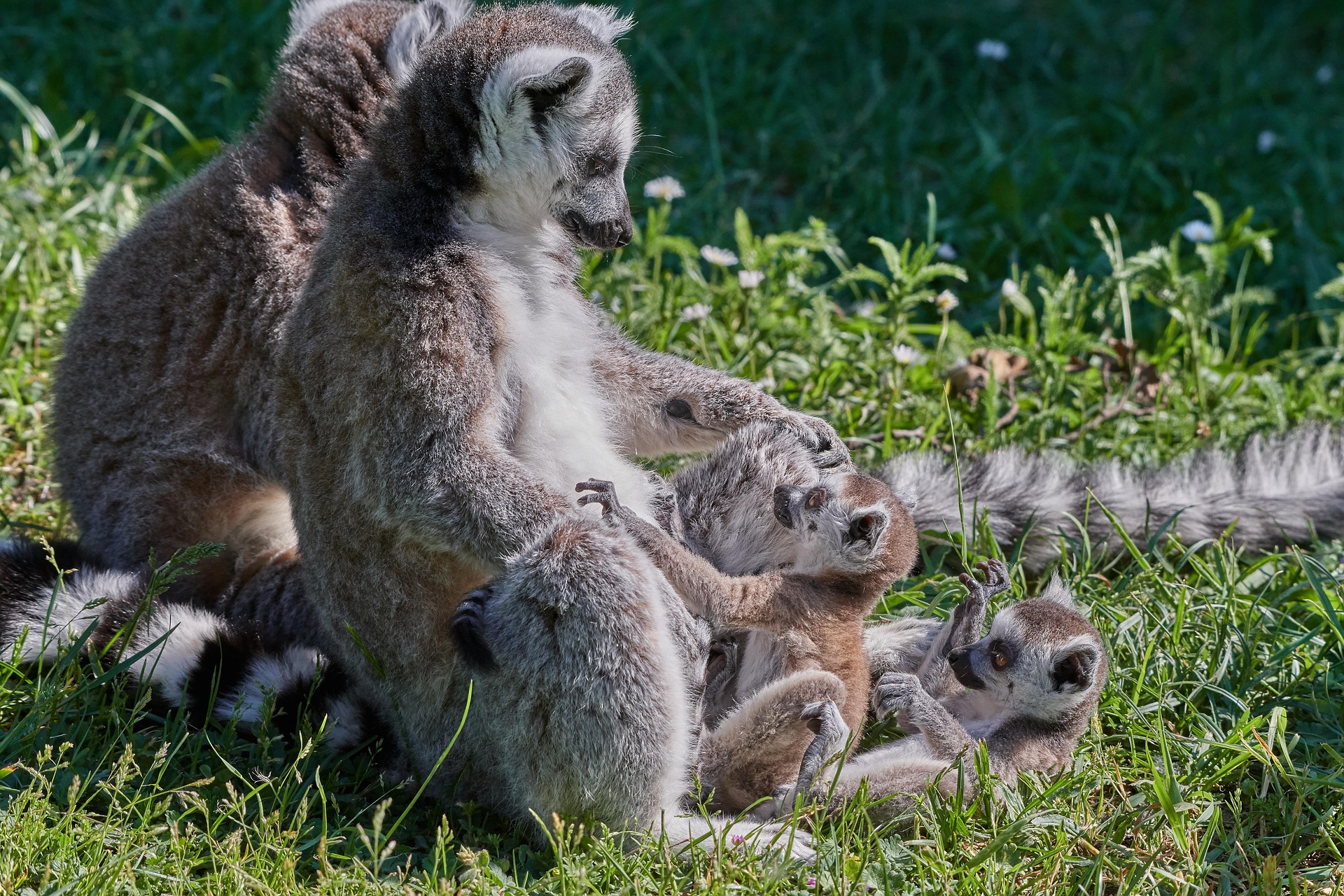
Lemurs live in groups called “troops”, which consist of up to 30 lemurs per troop. These groups are matriarchal, with females being the group leaders and males being lower in the social hierarchy. Because of this, males must compete for the attention of females and often leave the group to search for other troops. This is important not only for the individual lemur, but in order to create healthy, genetically diverse lemur populations in the wild.
 Courtship
Lemurs have a mating season that occurs in April, and most babies are born in September.
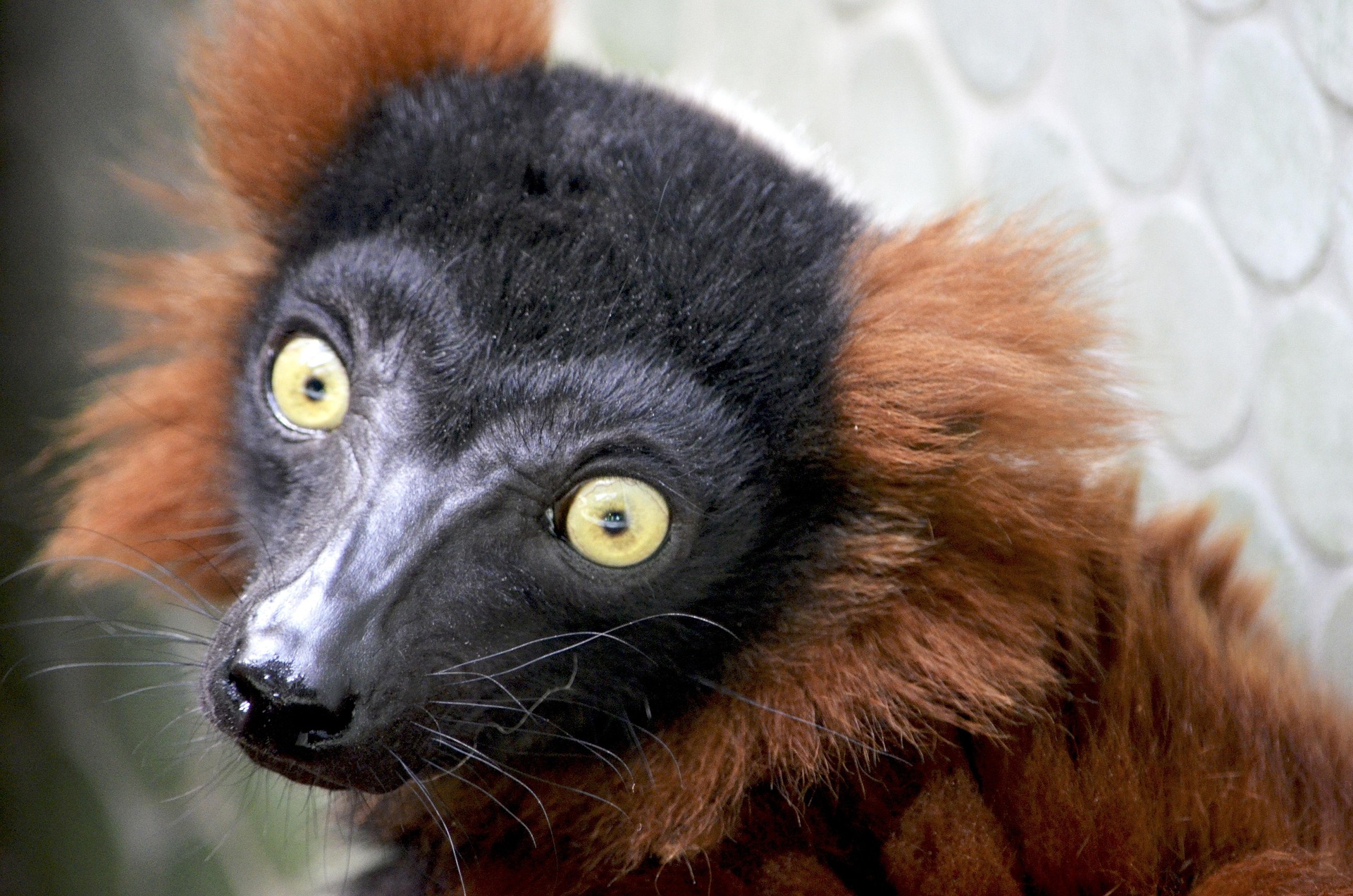
Lemurs are not monogamous, and females will often have multiple male partners. Males have to compete for attention from females, which they do by displaying courtship behaviors. One such behavior they exhibit is a “jump battle”, in which two males face off against each other, spread their arms and legs wide like they are doing a jumping jack, and jump into the air. As they jump, they try to scratch their opponent with their nails. The fight ends when the loser runs away.
Males also will compete through odors and have “stink fights”. Lemurs have glands on their hands that they typically use to mark their territory. During mating season, the males “fight” by waving their hands around, each attempting to exude the most odor from the scent glands in their hands. The fight ends when the less stinky males turns and runs.
 Family Life Cycle
Gestation for lemurs, depending on the specific species, can last from 2 to 5 months.
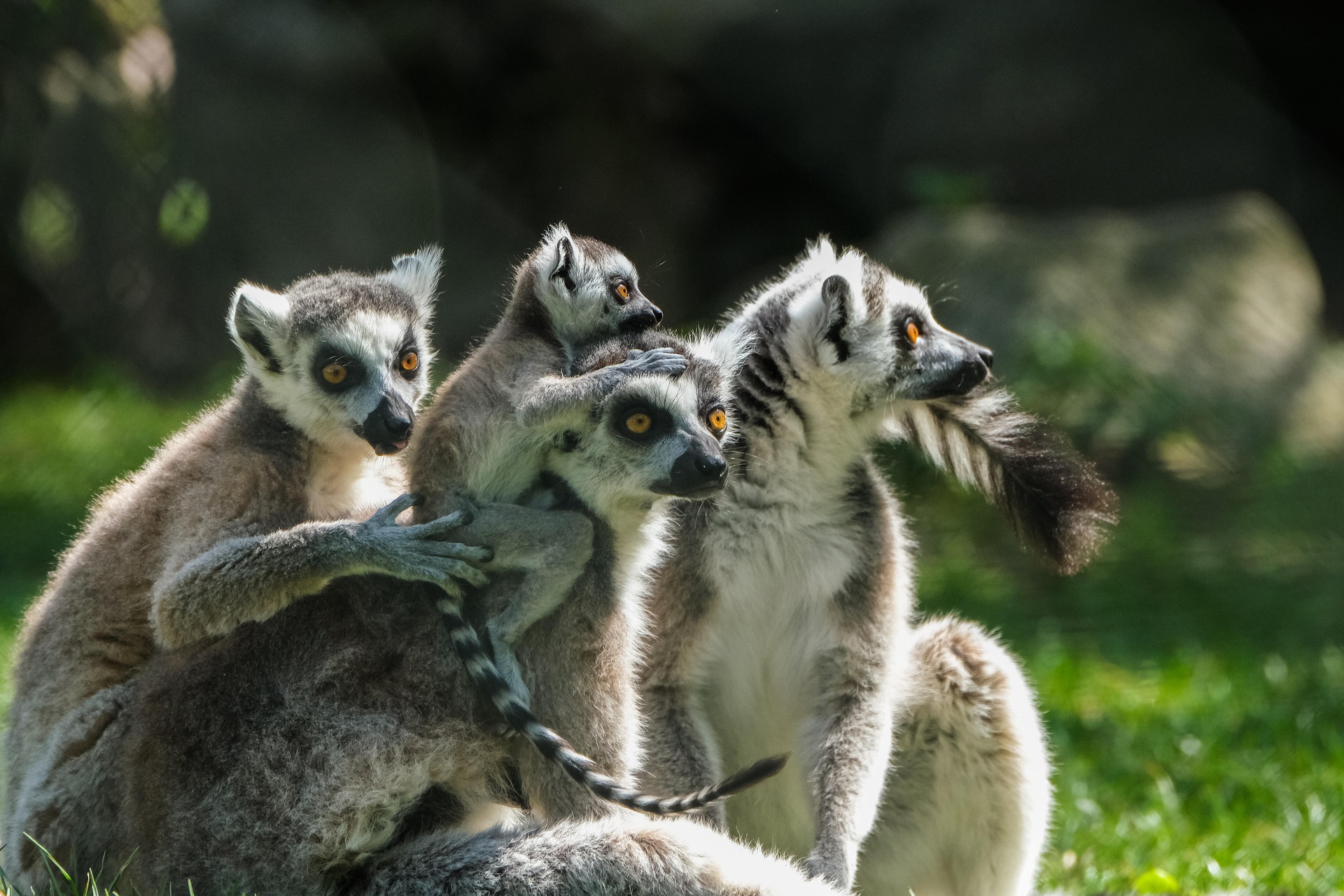
Lemurs can have up to 6 babies, which are called pups, at a time. For the first two weeks after her pups are born, the mother will hold them in her arms — after that, the pups will hang on to their mother’s back or stomach as she maneuvers through the trees. They continue this behavior until they are 4 months old, at which point they start to climb on their own.
Lemurs reach full size at one and a half years old, and are fully mature at 2 years old. Young mature males start to compete for the female troop members’ affection at this age; if a young male is unable to win the affection of a female, he will leave his troop and seek out another troop to join.